
- News
- World News
- Pakistan News
- Pakistan weekly round-up: Law amendments for terror finance watchdog, locust menace and more
Trending
This story is from February 4, 2020
Pakistan weekly round-up: Law amendments for terror finance watchdog, locust menace and more
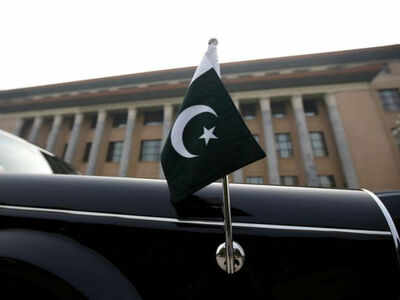
Here is your weekly Pakistan round-up
1
Dozen laws to be amended to meet FATF requirements
Pakistan on February 1 decided to introduce major amendments to at least a dozen of its laws over the next six months to remain in continuous compliance with the requirements of the Financial Action Task Force (FATF).
The decision was taken at a meeting of the National Executive Committee — the country’s highest body on money laundering and matters related to the FATF.
According to the Dawn newspaper, "The meeting finalised a plan for compliance with FATF standards by June 2020 and targets were set for further legislation and procedural upgradations by various agencies and institutions. It was agreed that about 12-13 laws and subordinate legislations would have to be amended by June this year to complete the overall legal framework in line with the standards of the FATF."
Pakistan was placed on the 'Grey List' in June 2018 by the FATF, an inter-governmental body established in 1989 to combat money laundering, terror financing and other related threats to the integrity of the international financial system.
If not removed off the list by April, Pakistan may move to a blacklist of countries that face severe economic sanctions, such as Iran.
The decision was taken at a meeting of the National Executive Committee — the country’s highest body on money laundering and matters related to the FATF.
According to the Dawn newspaper, "The meeting finalised a plan for compliance with FATF standards by June 2020 and targets were set for further legislation and procedural upgradations by various agencies and institutions. It was agreed that about 12-13 laws and subordinate legislations would have to be amended by June this year to complete the overall legal framework in line with the standards of the FATF."
Pakistan was placed on the 'Grey List' in June 2018 by the FATF, an inter-governmental body established in 1989 to combat money laundering, terror financing and other related threats to the integrity of the international financial system.
If not removed off the list by April, Pakistan may move to a blacklist of countries that face severe economic sanctions, such as Iran.
2

The Pakistan government has decided not to evacuate its citizens from the coronavirus-hit Wuhan city to show "solidarity" with its all-weather ally, a senior official announced last week though four Pakistani nationals have contracted the deadly disease in China.
There were up to 800 Pakistanis studying in various universities in Wuhan – a city of 11 million people which has been quarantined by the Chinese authorities in an effort to stem the spread of the deadly virus.
Pakistan has decided not to evacuate its nationals from China in accordance with the recommendations of the World Health Organisation (WHO), special assistant to Prime Minister Imran Khan on health Dr Zafar Mirza said.
"This is what the WHO is saying, this is China's policy and this is our policy as well. We are standing with China in full solidarity," he was quoted as saying by Dawn News.
He said Pakistan's embassy in China was in contact with the Pakistani citizens. He said that the government believes that China's policies to contain the virus were adequate.
However, some worried Pakistani students in Wuhan complained that they are not being taken care of by the Chinese authorities and demanded immediate evacuation on social media last week, The Nation newspaper said.
Pakistan not to evacuate its citizens from virus-hit China
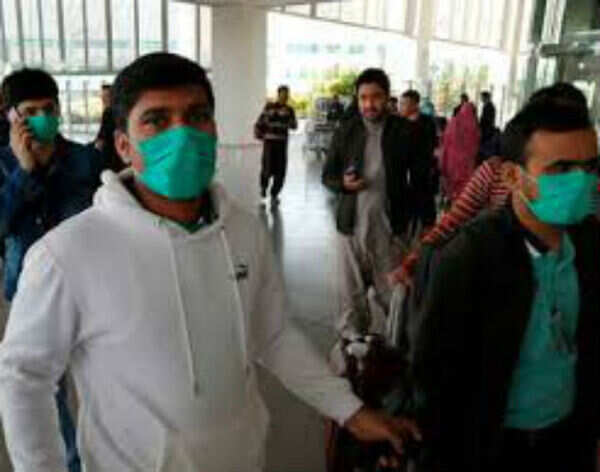
The Pakistan government has decided not to evacuate its citizens from the coronavirus-hit Wuhan city to show "solidarity" with its all-weather ally, a senior official announced last week though four Pakistani nationals have contracted the deadly disease in China.
There were up to 800 Pakistanis studying in various universities in Wuhan – a city of 11 million people which has been quarantined by the Chinese authorities in an effort to stem the spread of the deadly virus.
Pakistan has decided not to evacuate its nationals from China in accordance with the recommendations of the World Health Organisation (WHO), special assistant to Prime Minister Imran Khan on health Dr Zafar Mirza said.
"This is what the WHO is saying, this is China's policy and this is our policy as well. We are standing with China in full solidarity," he was quoted as saying by Dawn News.
He said Pakistan's embassy in China was in contact with the Pakistani citizens. He said that the government believes that China's policies to contain the virus were adequate.
However, some worried Pakistani students in Wuhan complained that they are not being taken care of by the Chinese authorities and demanded immediate evacuation on social media last week, The Nation newspaper said.
3
Pakistan, Turkey mulling dual nationality agreement
According to the local media reports, the Pakistan government is planning to sign an agreement with Turkey regarding providing dual nationality to the citizens of the two countries.
The plan came up during a meeting between Pakistan's interior minister Ijaz Ahmad Shah and Turkish ambassador to Islamabad Ihsan Mustafa Yurdakul, according to a statement issued by Pakistan’s interior ministry.
According to the media reports, the Turkish ambassador on behalf of his government proposed that both the countries should sign an agreement regarding providing dual nationality to the citizens.
"In response to this, the minister said the draft is under consideration and the ministry of foreign affairs is on board with us. We hope to reach a mutual conclusion soon," the Pakistan government said.
The plan came up during a meeting between Pakistan's interior minister Ijaz Ahmad Shah and Turkish ambassador to Islamabad Ihsan Mustafa Yurdakul, according to a statement issued by Pakistan’s interior ministry.
According to the media reports, the Turkish ambassador on behalf of his government proposed that both the countries should sign an agreement regarding providing dual nationality to the citizens.
"In response to this, the minister said the draft is under consideration and the ministry of foreign affairs is on board with us. We hope to reach a mutual conclusion soon," the Pakistan government said.
4
Pakistan, which is facing its worst locust attack in decades, has declared a national emergency to tackle the insects destroying crops on a large scale in Punjab province, country's main region for agricultural production.
The decision was taken at a meeting convened by Pakistan Prime Minister Imran Khan. The meeting, attended by federal ministers and senior officials of the four provinces, also approved a National Action Plan that requires a sum of Rs 7.3 billion to overcome the crisis.
The prime minister directed the authorities concerned to make immediate measures on the basis of damage of ripened crops.
The swarms of locusts are currently on the Pakistan-India border along Cholistan, minister for national food security Khusro Bakhtiar said, adding that insects had entered Cholistan and Nara from Sindh and Balochistan.
Locusts used to move to Iran after sometime, but perhaps this time due to low temperatures they are still in Pakistan.
National emergency declared against locusts

Pakistan, which is facing its worst locust attack in decades, has declared a national emergency to tackle the insects destroying crops on a large scale in Punjab province, country's main region for agricultural production.
The decision was taken at a meeting convened by Pakistan Prime Minister Imran Khan. The meeting, attended by federal ministers and senior officials of the four provinces, also approved a National Action Plan that requires a sum of Rs 7.3 billion to overcome the crisis.
The prime minister directed the authorities concerned to make immediate measures on the basis of damage of ripened crops.
The swarms of locusts are currently on the Pakistan-India border along Cholistan, minister for national food security Khusro Bakhtiar said, adding that insects had entered Cholistan and Nara from Sindh and Balochistan.
Locusts used to move to Iran after sometime, but perhaps this time due to low temperatures they are still in Pakistan.
5
Uncertainty over Pakistan wrestlers' participation in Asian Championship
With just a few days left for the Asian Championships to be held in New Delhi, uncertainty looms large over the participation of Pakistan's wrestlers in the game. According to news reports, the Indian High Commission has not accepted the application and passports of the athletes from Pakistan, despite getting an invitation letter to participate in the games by the Wrestling Federation of India.
The event is being organised in New Delhi from February 17-23.
Pakistan has sought visas for a six-member contingent, including two officials and four wrestlers – Muhammad Bilal, Abdul Rehman, Tayab Raza and Zaman Anwar.
Last year, India had denied visas to Pakistani shooters to participate in the ISSF World Cup following the February 14 Pulwama attack. The International Olympic Committee had then banned India from hosting any international events. The IOC had said that denial of visas to players from other countries to participate in global events was against the Olympic Charter.
However, India then wrote to the IOC assuring it that no athlete would be denied a visa for future events after which the ban was withdrawn.
The event is being organised in New Delhi from February 17-23.
Pakistan has sought visas for a six-member contingent, including two officials and four wrestlers – Muhammad Bilal, Abdul Rehman, Tayab Raza and Zaman Anwar.
Last year, India had denied visas to Pakistani shooters to participate in the ISSF World Cup following the February 14 Pulwama attack. The International Olympic Committee had then banned India from hosting any international events. The IOC had said that denial of visas to players from other countries to participate in global events was against the Olympic Charter.
However, India then wrote to the IOC assuring it that no athlete would be denied a visa for future events after which the ban was withdrawn.
End of Article
FOLLOW US ON SOCIAL MEDIA










Photostories
Hot Picks
TOP TRENDING
Popular Categories
Hot on the Web
Top Trends
Russell WilsonsMohammed ShamiTom BradyRishabh PantShantanu NaiduUGC NET ResultNobel Peace PrizeMahadev Betting AppNew UPI Transaction LimitRatan Tata DiesCBSE Class 10 12 Practical ExamPopular Schools in Navi MumbaiManagement Colleges of IndiaTop Medical Colleges of IndiaTop Engineering Colleges of IndiaTop Pharmacy Colleges of IndiaLive Cricket Score
Trending Topics
Diwali WishesDussehra 2024 QuotesDussehra WishesVettaiyan OTT ReleaseVettaiyan CollectionVettaiyan ReviewNatasa StankovicDevara CollectionBigg Boss 18Deepika PadukoneShraddha KapoorRatan Tata Passed AwayJigra Movie ReviewVettaiyan Movie ReviewSwatantrya Veer SavarkarDussehra 2024Elon MuskDussehra Whatsapp StatusUltimate Football Codes October 2024Wordle Answer
Living and entertainment
Latest News
Internship scheme: 193 companies post over 90,000 slots on portalInfosys to no longer send job offer letters and attachments, the company will ...Discover 8 animals that suck blood for survivalHappy Dussehra 2024: Top 50 Wishes, Messages, Images and Quotes to Share with Your Loved OnesFortified-food plan faces questions from two PM panel membersIn the land of Ram, a Ramlila that unites Hindus and Muslims'Singham Again' stars Ajay Devgn, Kareena Kapoor, Rohit Shetty spotted at airport as they jet off for Raavan Dahan in Delhi - Watch VIDEO'Bigg Boss OTT 3' contestant Ranvir Shorey admits lack of patience for 'Bigg Boss', enters the show unprepared7 dead, 1 missing after car plunges into canal in HaryanaDid you know NTR is the only actor to play both Lord Rama and Ravana?Forex reserves drop $3.7 billion in week, most since start of AugustAshton Kutcher and Mila Kunis consider leaving Hollywood amid Sean 'Diddy’ Combs' arrest fallout: ReportSwearing-in ceremony of Nayab Singh government in Haryana on October 17: Manohar Lal KhattarHow Green is your car?‘Kallanum Bhagavathiyum’: The Vishnu Unnikrishnan and Mokksha starrer is set to get a sequelAlia Bhatt, Bipasha Basu, Rhea Chakraborty and others seek blessings at Kajol and Rani Mukerji's Durga Puja pandal - See photosThane: Man dies in brawl over torn Rs 50 noteTrapped leopard gasps to death as foresters wait 12 hours for darts
Copyright © 2024 Bennett, Coleman & Co. Ltd. All rights reserved. For reprint rights: Times Syndication Service